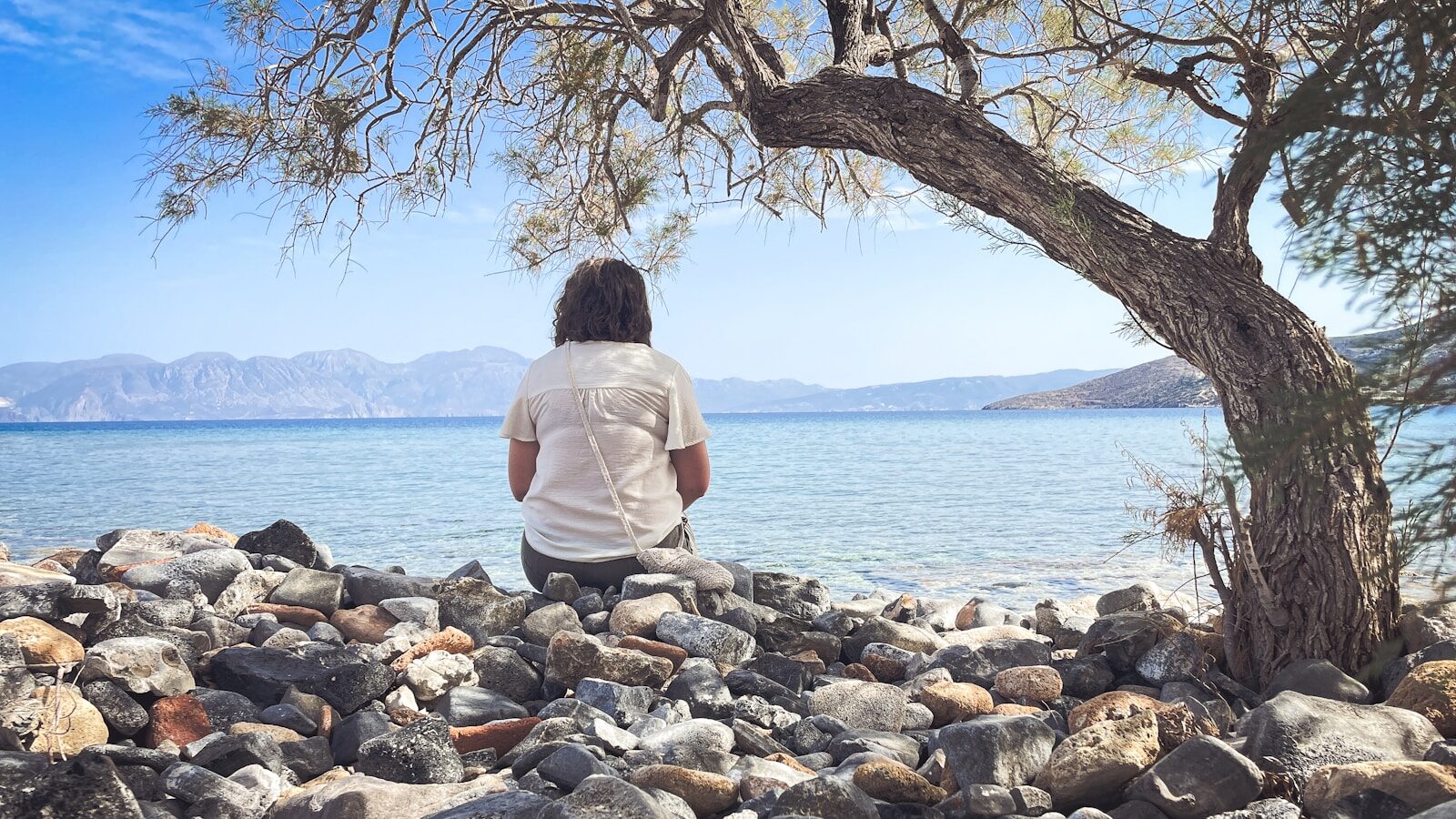
Your heart is racing. Your thoughts are spiraling. Your chest feels tight. Whether it’s pre-presentation nerves, a 3 AM anxiety spiral, or a wave that arrived without warning anxiety can feel like being swept off your feet by a current you can’t see.
The good news: anxiety is a physiological state, and physiological states respond to physiological intervention. You don’t have to wait it out. Here are ten techniques, each supported by research, to interrupt and calm the anxiety response — starting right now.
“Between stimulus and response, there is a space. In that space is our power to choose our response.” — Viktor Frankl
Understanding Anxiety: What’s Actually Happening
Anxiety activates the sympathetic nervous system — your fight-or-flight response. Cortisol and adrenaline flood the bloodstream. Heart rate accelerates. Blood flows to muscles and away from the digestive system and prefrontal cortex. Your body is preparing to fight or flee a threat that, in modern life, is usually psychological rather than physical.
The key insight: this state can be interrupted and reversed through the parasympathetic nervous system your rest-and-digest response. Almost all effective anxiety interventions work by activating this counter-system. Here’s how.
10 Techniques to Calm Anxiety Fast
1. Physiological Sigh
Neuroscientist Andrew Huberman at Stanford identified the physiological sigh as the fastest known way to reduce physiological arousal. Double inhale through the nose (short inhale, then another small inhale to fully inflate the lungs), followed by a long, slow exhale through the mouth. The extended exhale activates the vagus nerve and parasympathetic response within 30–60 seconds. Repeat 3–5 times.
2. Box Breathing (4-4-4-4)
Used by Navy SEALs and emergency responders: inhale for 4 counts, hold for 4, exhale for 4, hold for 4. Repeat for 4 minutes. This technique regulates heart rate variability and reduces cortisol. Studies show it reduces anxiety and improves focus within minutes.
3. Cold Water Exposure
Splashing cold water on your face triggers the diving reflex an evolutionary response that slows heart rate and activates the parasympathetic nervous system. Holding your breath and submerging your face in cold water for 30 seconds (or running cold water over your wrists and neck) can produce rapid physiological calming.
4. Progressive Muscle Relaxation
Systematically tensing and releasing muscle groups signals the nervous system that physical threat has passed. Start at the feet: tense for 5 seconds, release, work upward. Research shows PMR significantly reduces anxiety and is particularly effective for generalized anxiety and pre-sleep worry.
5. The 5-4-3-2-1 Grounding Technique
Name 5 things you see, 4 you can touch, 3 you hear, 2 you smell, 1 you taste. This floods the sensory cortex with present-moment data, disrupting the anxiety loop. Particularly effective for panic attacks and dissociation because it anchors you in physical reality.
6. Cognitive Defusion
From Acceptance and Commitment Therapy (ACT): instead of ‘I’m going to fail,’ say ‘I’m having the thought that I’m going to fail.’ This small linguistic change creates psychological distance between you and the anxious thought, reducing its emotional charge without requiring you to dispute it.
7. Movement
Anxiety creates a surplus of adrenaline with nowhere to go. Exercise burns it. Even a brisk 10-minute walk significantly reduces anxiety research shows exercise is comparable to medication for mild to moderate anxiety in terms of effect size. When anxiety hits, move.
8. Journaling
Expressive writing — stream-of-consciousness journaling about what’s worrying you — activates the prefrontal cortex and reduces amygdala reactivity. James Pennebaker’s landmark research showed that 15–20 minutes of expressive writing significantly reduces anxiety and improves immune function.
9. Limit Caffeine and Sugar
Caffeine directly stimulates cortisol and adrenaline production chemically mimicking the anxiety response. If you’re anxiety-prone, caffeine before noon (when cortisol is naturally high) amplifies the problem significantly. Sugar crashes create blood glucose instability that triggers anxiety-like symptoms. Neither is a cure, but both are leverage points.
10. RAIN Meditation
Tara Brach’s RAIN technique for working with difficult emotions: Recognize (what is happening?), Allow (let it be here without fighting), Investigate (where is this felt in the body?), Nurture (what does this part of me need?). This compassionate inquiry often dissolves anxiety faster than distraction because it addresses the root rather than the symptom.
When to Seek Professional Support
If anxiety is occurring daily, is disproportionate to circumstances, is causing avoidance of important life areas, or includes panic attacks, please consult a mental health professional. CBT and EMDR have exceptional evidence bases for anxiety disorders. Medication can be a powerful short-term bridge.
The Bottom Line
Anxiety does not have to be waited out. Your nervous system is responsive to your actions. Use these tools, especially when anxiety first arrives — early intervention prevents escalation. With practice, you’ll become someone who navigates anxiety rather than being navigated by it.